Range Work & Data Collection
Range work turns theory into verified data.
Zero confirmation, velocity measurement, and trued ballistics are required for repeatable hits at distance.
This page outlines a practical process for collecting and confirming data you can trust.
Zero Confirmation
A confirmed zero is the starting point for all ballistic solutions.
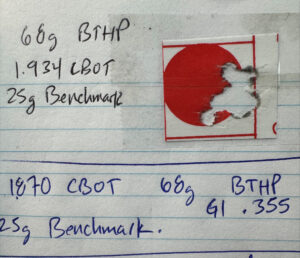
Zero should be verified under current conditions and rechecked as needed.
- Confirm mechanical zero
- Verify point of impact: POI should be same as POA (point of impact, point of aim)
- Document zero conditions: environmental factors, barrel hot/cold, body position.
Velocity Measurement
Accurate muzzle velocity is critical.
Chronograph data should be collected carefully and averaged for consistency.
- Use a reliable chronograph
- Record multiple shots
- Note temperature and conditions
Environmental Inputs
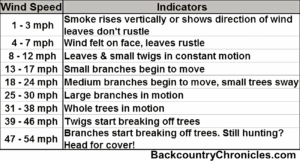 Wind, temperature, and density altitude affect bullet flight.
Accurate environmental inputs improve first-round hit probability.
- Measure current conditions: wind speed, wind value. look for indicators such as vegetation or leaves/branch movement or mirage.
- Update data as conditions change
- Observe wind and mirage
Truing Ballistic Data
Truing aligns predicted impacts with real-world results.
This step validates ballistic inputs beyond initial zero distance.
- Confirm data at distance, Use real data, not just solver data. Solver data is a good start, make sure to true data.
- Adjust velocity or BC as needed
- Reconfirm at multiple ranges: Truing distance should be the furthest distance you intend to use your rifle for, or the furthest distance before bullet becomes transonic. Recheck your data every 100yds prior to that distance if you can.
Confirm and Record
Verified data should be recorded and referenced constantly.
Good records prevent repeat work and reduce errors. Hard Dope beats digital data anytime. Always write down your DOPE after truing. Don’t just rely on your ballistic solver for 100% truth all the time.
View: Training and Classes
Return to the Long Range Precision Shooting Training overview.