Precision rifle training classes shorten the learning curve by replacing guesswork with a repeatable process. Instead of chasing random fixes, you learn how to set up your rifle correctly, validate your data, make consistent hits at distance and learn how to diagnose common issues.
Our goal is simple: help you leave the range with a clear method you can repeat on your own.
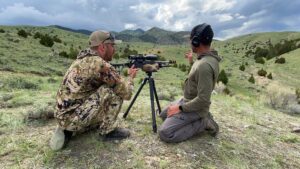
CLASSES:
Intro to Long Range Precision.
- Rifle setup: Optic mounting, torque specs on all equipment, rifle adjustment to shooter
- Zero confirmation and data collection
- How to read wind
- Fundamentals of marksmanship, shooting positions, shot corrections
- Diagnosing misses: shooter input vs mechanical problems
- Building and validating DOPE you can trust
Wind Reading Clinic
- Evaluating how to read wind direction, speed and value
- learning your “gun number” and how to utilize it
- long range engagements in high wind conditions
Practical Precision Hunter
- Understanding basic animal behavior, movement, vital zones
- Utilizing your hunting equipment to make a better and more precise shot
- Learning alternate shooting positions commonly found in hunting scenarios
- Shooter/ Spotter communication for accurate follow up shots
What to Bring
Bring a safe, functional rifle, your normal ammunition, pen and paper, an open mind and willingness to learn.
If you are missing items, you can still train, but you will progress faster with basic support gear.
- Scoped rifle (preferably with exposed turrets, or a reticle with stadia lines that can measure in either MOA or MILS.)
- A stable support setup (bipod or bag support)
- 100–150 rounds depending on class
- Eye/ear protection and a way to record data
- Optional: chronograph, weather meter, or ballistic app
Start Here Before Class
If you have not reviewed setup and range workflow, start with these pages:
Safety Standards
All training follows strict firearm safety rules.
Safe handling and clear communication are required at all times.
Review our safety expectations here: Safety guidelines